Advertisers have never known more about what makes products successful. You can identify items that lead to new customers, those that have the potential to deliver stronger lifetime value and in more sophisticated ways than ever before. The level of sophistication does vary though and in deployment of comparison shopping services (CSS), data to deliver true success doesn’t always feed through.
Often advertisers take a test and learn approach when working with CSSs. It is a faster route, via affiliate platforms, but can also end up in underoptimised campaigns, because the focus is exclusively on beating a given CPA goal.
Misalignment with PPC teams can also lead to competition on brand terms, CSS partners overbidding or underbidding on key categories and higher potential for competing agendas with the core in-house team.
Using several key principles, however, internal PPC teams can leverage CSS partners as a strategic extension to achieve their performance goals.
The first principle is to agree on a negative keyword list upfront. This ensures that efforts complement existing performance for brand terms or key products that the advertiser is already well known for. At Connexity our guiding principle is that we want to extend the reach of the advertiser’s campaign and products beyond what they’re successfully doing themselves. If all the sales are coming from a brand term or one hero product category, then the incrementality will be low. An agreed list upfront ensures efforts are channelled towards growth.
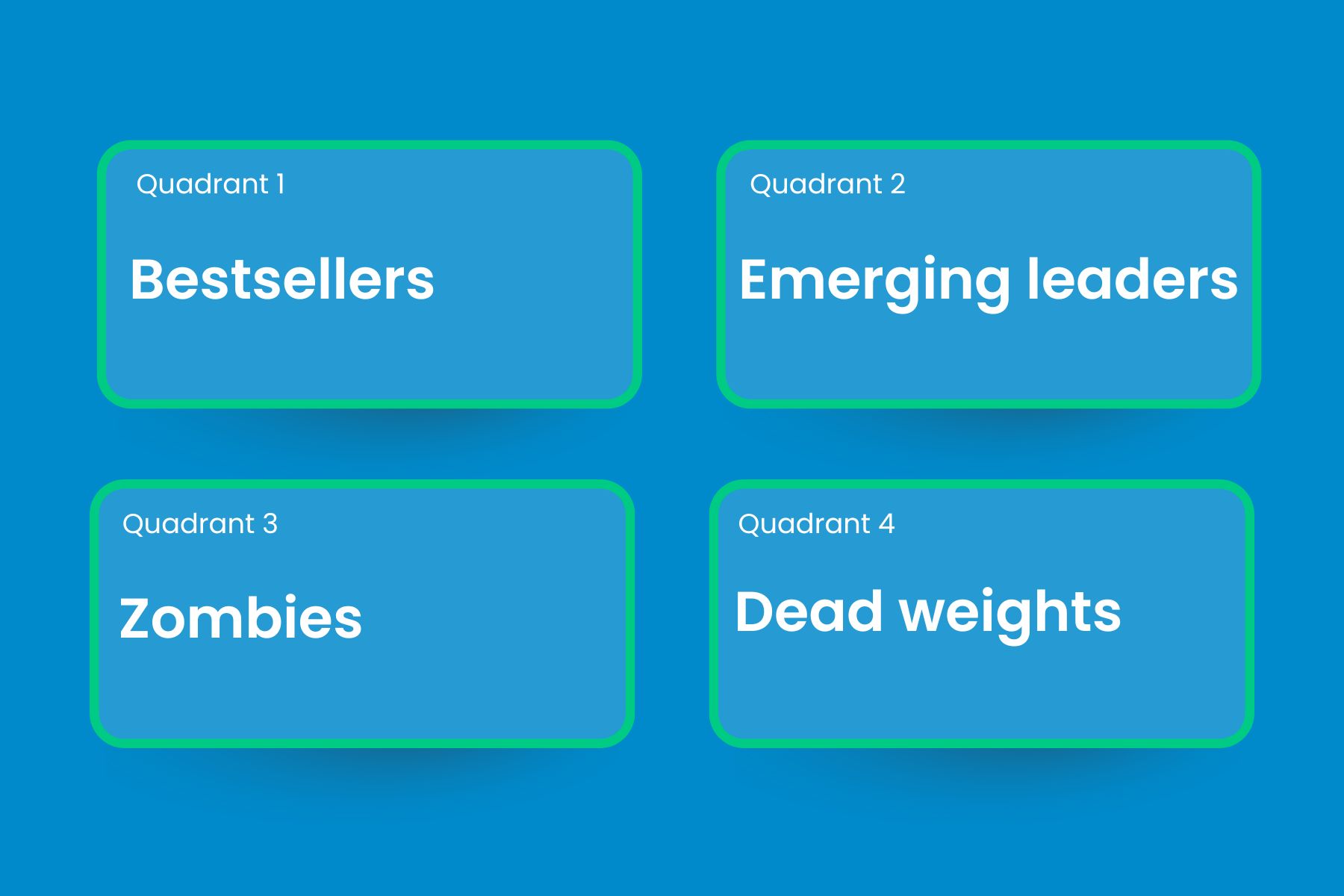
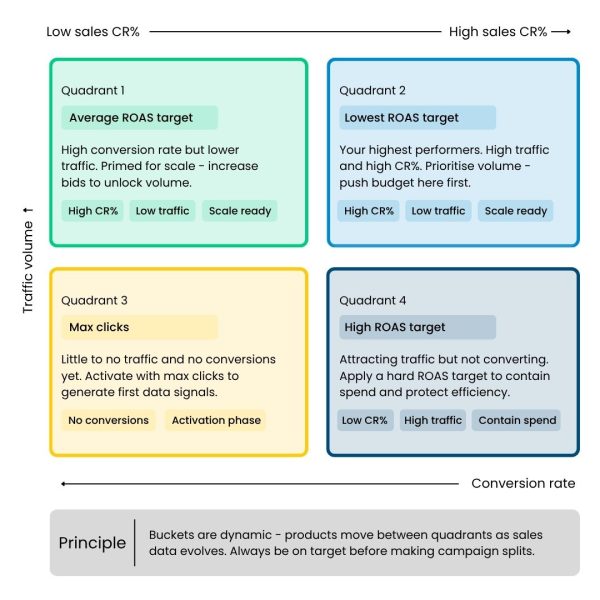
Second, agreeing which products and categories to bid on is key. As some products will sell better than others, Connexity enables advertisers to push more budget towards these higher performers and to pivot away from products that do not perform. We call this ‘performance bucketing’. We apply this as standard once we have sufficient data in the core campaign that we’re running.
Once there is sufficient data, our Account Management team will aim to define up to four core segments. There are different goals depending on which bucket the product falls into. These are dynamic based on the number of sales a product generates over a given period.
For example, in fashion, beachwear might be a great seller in late spring, so you would think about a lower target as volume is higher, but then as seasons change, drop these products into a campaign with a harder target, as the CR% will be lower.
Beyond this, we will also investigate the advertiser’s feed and consider custom labels that can add other dimensions to the structure of the campaign. By applying these over the top of the product performance, you can help push more of those products aligned to additional strategic objectives beyond ROAS, such as products that have a higher propensity to drive lifetime value, repeat purchases, move margin or stock levels.
One of our customers categorises their product in terms of how likely they are to drive a first-time purchase. In this case we may want to split bestsellers and other segments to different goals again to put even more focus on the bestsellers, who then also have a higher propensity to drive a first-time purchase.
This is not an exact science, and sometimes it works better than others. With our advertisers, we always recommend you’re on target before making any campaign splits, with sufficient products in each group to make further splits based on the custom labels. Measuring the setup is working and getting a clear understanding of how these other metrics are moving in response to strategic changes is key to maintaining and growing the budget for CSS partnerships.
We believe that performance is just one part of the solution – it’s actually just a hygiene factor. True alignment with a merchant’s strategic priorities can take the relationship to the next level, delivering the best results and scale over time.